5 March 2026 · 7 min read
Mustang, Camaro, and Charger: Three Icons Compared
A practical guide to three of the most sought-after American muscle cars — how the Ford Mustang, Chevrolet Camaro, and Dodge Charger differ in character, ownership, and restoration.
Ask any muscle car fan to name three icons and you will almost always hear Mustang, Camaro, and Charger. Each represents a different chapter of American performance history — and each offers a distinct experience behind the wheel and in the workshop.
Ford Mustang: the pony car that started it all
Launched in 1964, the Mustang created the pony car segment and remains the most recognisable name in the category. Early models combine approachable styling with a wide range of engine options, making them popular first projects for European buyers. Parts support is strong, and the aftermarket is enormous — from period-correct restorations to modern performance upgrades.
Chevrolet Camaro: aggressive stance, track-minded spirit
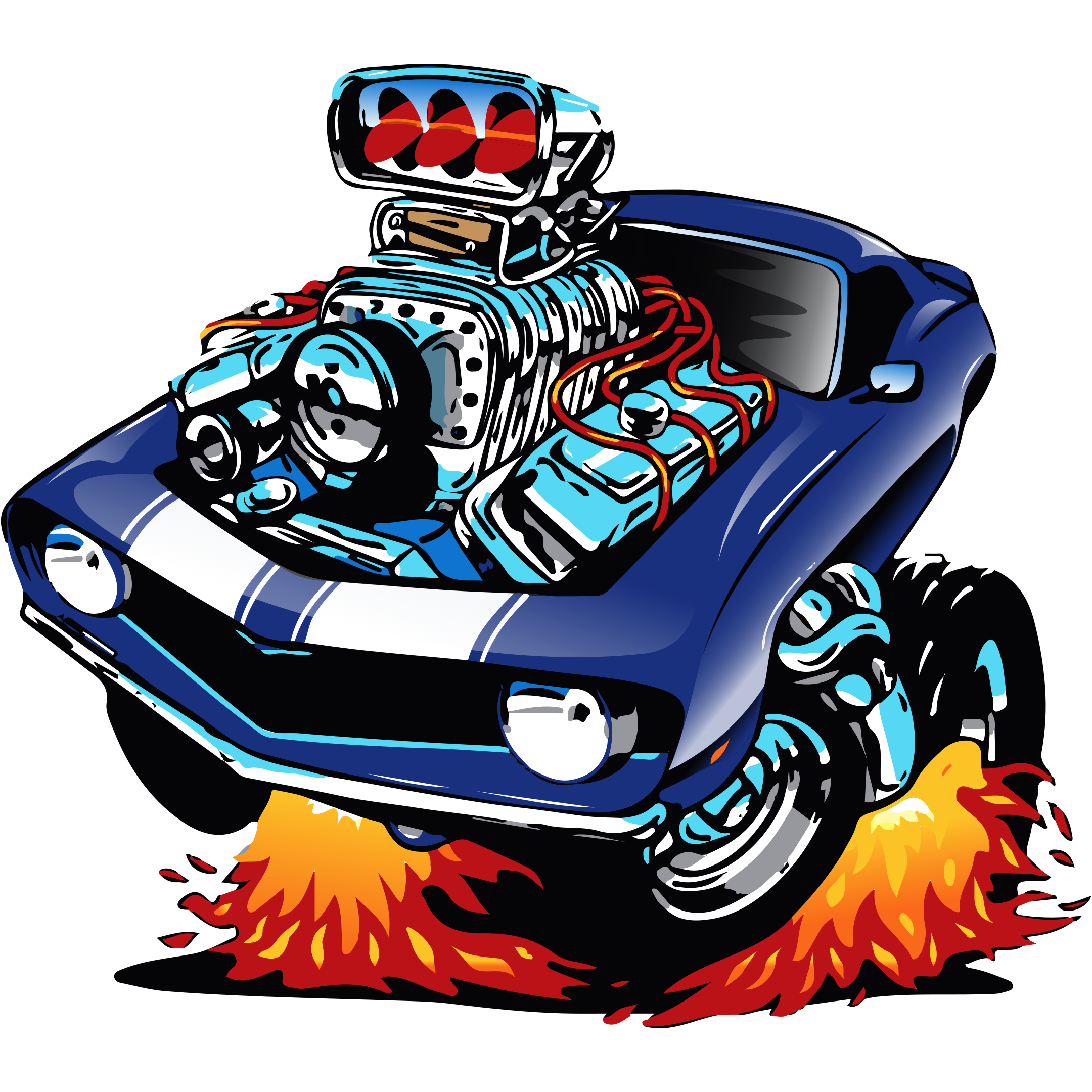
The Camaro arrived as Chevrolet's answer to the Mustang and quickly built a reputation for bold design and serious performance, especially in SS and Z/28 form. Camaros often appeal to owners who want sharper handling characteristics and a more muscular visual presence. Restoration can be demanding, but the reward is a car with unmistakable attitude.
Dodge Charger: full-size muscle with presence
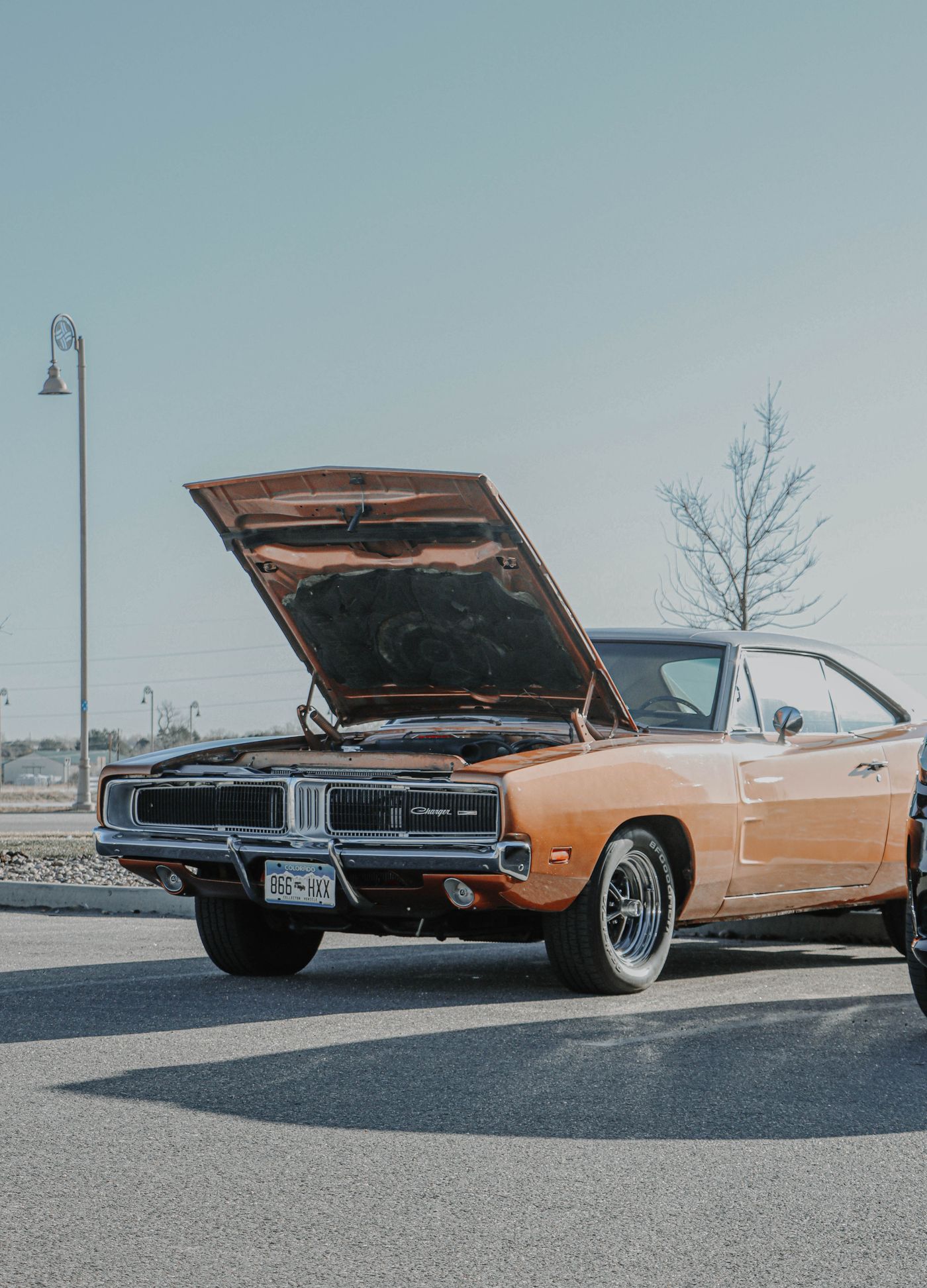
Unlike the compact pony cars, the Charger brought muscle to a larger platform — especially in its late-60s and early-70s iterations. Hidden headlamps, long hood lines, and big-block options made it a screen legend and a favourite among owners who want space, comfort, and brute force in one package.
Choosing between them is less about which is objectively best and more about which story you want to tell. All three reward careful inspection, honest documentation, and access to quality used parts — areas where specialist dealers make a real difference.